
Time Blocking Actually Works — Here's How to Start
A simple method for organizing your day that takes 10 minutes to set up. No apps needed — just a calendar and realistic expectations.
Read More
Energy management and performance scheduling that actually fits your life
Working in Wan Chai means constant demands. Long meetings, tight deadlines, back-to-back calls. You're not lazy if you crash at 3pm — your body's telling you something real.
We've studied how professionals actually work. Not how they're supposed to work. And the pattern's always the same: when you ignore your energy rhythm, everything falls apart. Your focus dips. Decisions get worse. That 4pm email takes twice as long as it should.
The good news? Small changes work. Time blocking. Recovery habits. A schedule built around when you're actually sharp — not against it. You'll see the difference in about two weeks.

Practical systems for real work life
How to organize your calendar so deep work actually happens. No apps needed — just realistic time chunks and protecting them like they matter.
Your afternoon slump isn't a character flaw. It's biology. We'll show you how to work with your natural energy curve instead of fighting it all day.
The habits that keep you performing without burning out. Real recovery takes 15 minutes, not a weekend. We show you what actually works.
Simple ways to notice what's working. Not dashboards or apps — just clear signals that tell you if your schedule is actually improving your output.
Real strategies you can start this week

A simple method for organizing your day that takes 10 minutes to set up. No apps needed — just a calendar and realistic expectations.
Read More
The afternoon slump isn't inevitable. It's about understanding your body's rhythm and making one small change that actually sticks.
Read More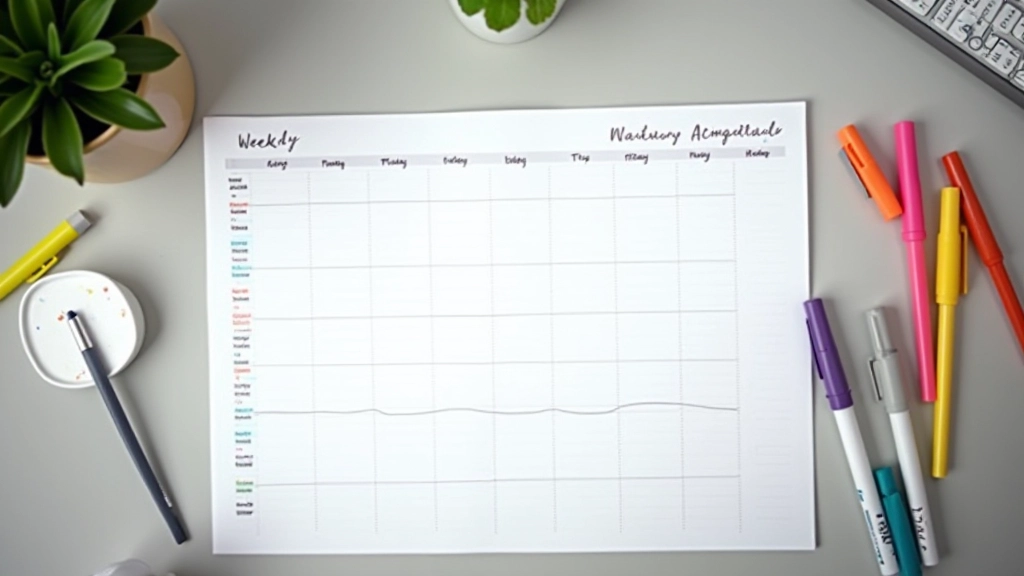
Focus blocks only work if you defend them. Here's how to build a schedule that protects deep work without looking unreasonable to your team.
Read MoreWhen you align your schedule with your energy
Instead of pushing through the 3pm wall, you'll work with it. Deep work in the morning, meetings and admin in the afternoon. Everything takes less energy.
You're not saying yes to everything. You're protecting time for what matters. And people respect that when it's clear and consistent.
A 15-minute walk. Ten minutes with your door closed. A proper lunch. These aren't luxuries — they're the difference between sustainable performance and burnout.
When you're not context-switching every 20 minutes, real work gets done. You'll be surprised how much more you ship when you protect focus time.
This is how real change happens
Track when you're actually sharp. Not what you think you should be doing — what you're actually doing well. This takes one week to get clear.
Organize your calendar around those peaks. Move deep work to your peak hours. Move meetings to lower-energy times. Protect focus blocks like they're client meetings.
You'll see it by week 4. More gets done. You're less tired at 6pm. Decisions feel clearer. This is what happens when you work with your biology instead of against it.
The schedule sticks because it works. You'll protect it. Your team will respect it. Recovery becomes automatic. This is sustainable performance.

Resources used by teams across Wan Chai
Science-Based
1000+ Users
Recommended
Privacy First
Most people notice changes in the first week — you'll feel less tired. Real productivity gains show up around week 3-4 when the schedule becomes automatic. But the first win is always that first afternoon where you're not completely drained by 5pm.
Yes. You don't need to control everything. You're protecting your non-negotiables. Even if meetings own 60% of your day, the remaining 40% can be organized around your energy. That 40% becomes surprisingly productive.
You'd be surprised. When focus blocks are consistent and you're more productive because of them, people respect them. The key is being clear about it upfront. "I'm in deep focus 9-11am" is respected more than random unavailability.
Nope. It's about working smarter. Most people work the same hours but with constant context switching. You'll work fewer hours actually tired, and more hours sharp. That's the trade.
No. A calendar and a notepad. That's it. We'll show you how to use tools you already have. Most "productivity apps" add more complexity, not less.
Built on proven methodologies
Circadian Science
Deep Work Principles
Recovery Protocols
Performance Psychology
Habit Formation
Stress Management
Start with time blocking this week. It takes 10 minutes to set up. You'll notice the difference by Friday.
Have questions? Check our FAQ or explore our case studies .