

Building a Schedule That Actually Protects Your Focus Time
Most people block time for focus but lose it anyway. Here's why that happens and what actually works.
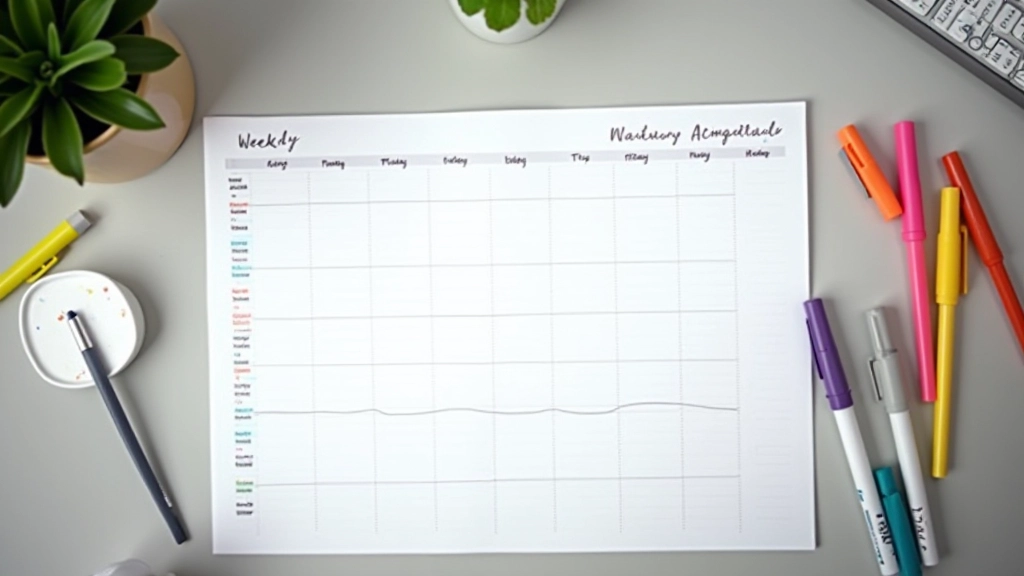
You've probably tried blocking focus time. Maybe you color-coded it. Maybe you told Slack you're unavailable. And then something happens — a meeting gets scheduled over it, or you spend thirty minutes "just checking" emails. The block disappears.
The issue isn't that you didn't block the time. It's that most blocking methods treat focus time like it's optional. Like it's something you do if you have a quiet moment. But that's backwards. Focus time needs to be protected the way you'd protect a client meeting or a doctor's appointment. Not as a nice-to-have, but as a non-negotiable part of your actual work schedule.
Why Your Current Focus Blocks Don't Stick
There are three reasons focus blocks fail. First, you're not making them visible to other people. When someone looks at your calendar, they see the block but treat it like your time is flexible. They'll ask to meet anyway. Second, you're probably not anchoring the block to something else — it's just floating there in your schedule, easy to move. Third, you haven't set up what you're actually doing during that time, so you use the block to catch up on admin instead of actual focused work.
The most common mistake is scheduling focus time during your weak hours. You block 2-4pm, but your energy dips at 3pm. By 3:30 you're scrolling, not working. So you need to know when you actually think clearly. Not when you hope to. When you actually do.

Educational Note: This article provides general information about scheduling and focus management techniques. Circumstances vary by individual, role, and organization. Consider your specific work environment and team dynamics when implementing these strategies.

The Three-Part Framework That Works
A focus block actually needs three things to survive. First, it needs a name and a visible label. Not "Focus Time" — that's vague. "UX Research Analysis" or "Client Proposal Draft." Something specific enough that you remember why the time matters. Second, it needs anchors — another non-negotiable before it and after it so it can't be moved. Like a 9am standup before and a 12pm lunch after. That focus block from 9:30-11:30 becomes immovable. Third, you need to prep what you're doing five minutes before the block starts.
The prep step is what most people skip. You get into the block and spend ten minutes remembering which file you needed, which research you were reviewing. Those ten minutes disappear. If you prep — open the documents, get your notes ready, silence your phone — the full block is actually usable.
Making Your Schedule Visible
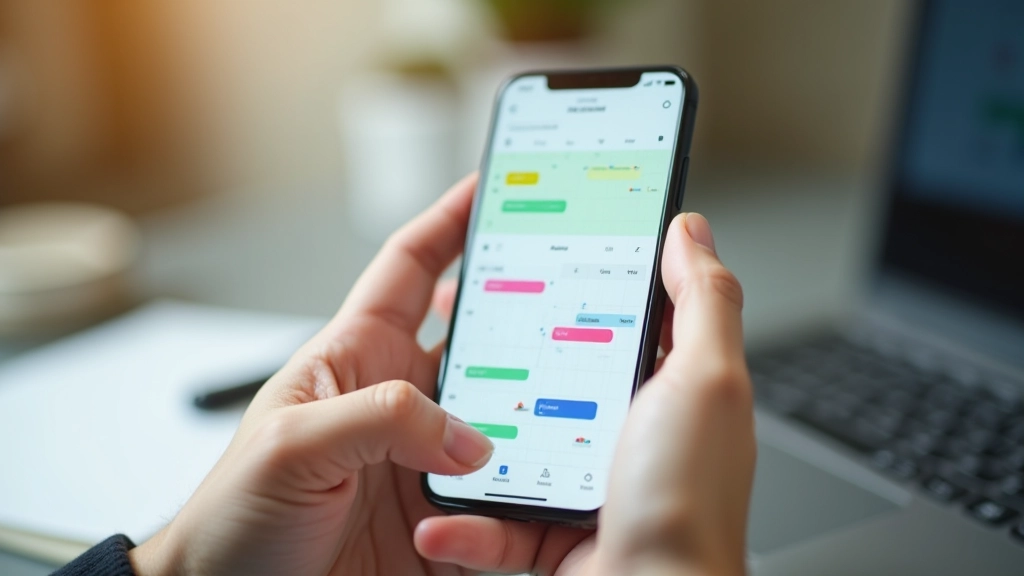
Here's what separates protected focus time from failed attempts: visibility. You've got to make it real on the calendar so people see it as work, not downtime.
Three visibility steps:
- Name it specifically (not "Focus" — use the actual task)
- Color it distinctly so it stands out from meetings
- Add a note saying "Do not schedule" if your organization allows it
And here's the practical part — you need to be willing to say no to meetings during these blocks. Not sometimes. Consistently. The first few times you decline a meeting request because of your focus block, people think you're flexible. By the fifth or sixth time, they understand you're serious. That's when it actually becomes protected.

Timing It Right For Your Energy
The second part of the puzzle is matching focus blocks to when you actually have energy. Most people schedule them in whatever slots are available. That's reactive. You need to be strategic.
Track your energy for a week. Note the hours when you're genuinely sharp — not when you're caffeinated, but when your thinking is clear. For most people, that's 9-11am or 6-7am. Some people peak at 2pm after lunch. Few people do deep work at 4pm. Once you know your real peak hours, schedule your most important focus blocks then. Your admin and email catch-up can happen during your lower-energy windows. The quality work happens when you're actually capable of it.
Making It Permanent
Protected focus time isn't something you achieve once. It's a practice you maintain. It gets easier after a few weeks because people learn that your blocks are real. But you have to be consistent. If you move a focus block the moment something urgent comes up, you've just taught everyone that it's movable.
The teams that protect focus time well do three things consistently: they name blocks specifically, they anchor them with other commitments, and they decline meetings that overlap. Not sometimes. Every time. That consistency is what makes a block actually protected instead of theoretically protected.
Start with one focus block per week. Just one. Get comfortable with that. Then add another. You don't need to restructure your entire schedule. You need blocks that actually work, and that comes from doing it right — not doing it everywhere.